6 Types of Islamic Arches and the Stories Behind Their Designs
Architectural Design Architectural Elements Architectural History Architecture in Egypt Bulbous Arches Circular Arches Compound Arches Cultural Heritage Cusped Arches Egyptian architecture Historic Buildings Islamic Arches Islamic Architecture islamic art Islamic Cairo Islamic Heritage Mamluk Architecture Moorish Architecture Mosque Architecture Mughal Architecture Persian Architecture Pointed Arches Trefoil Arches Trilobed Arches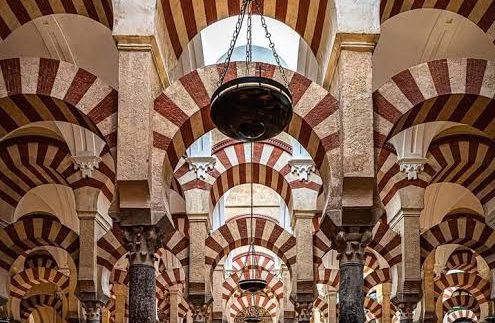
Safy Allam
Image via website
Look at almost any historic Islamic building, and there is a good chance that an arch will catch your eye before anything else. It might frame a doorway, draw attention to a window, lead you into a courtyard, or simply repeat across a façade until it becomes part of the building’s rhythm. But look closely, and you’ll notice that arches can look completely different from one another. Some are calm and rounded, some rise to a sharp point, while others are made up of several curves that turn a simple opening into something much more decorative.
Across centuries and regions, architects have adapted arch forms to suit their buildings, materials, and artistic traditions. Some forms were inherited from earlier civilisations, while others were developed and reinterpreted within Islamic architecture. The result is an enormous variety of shapes that can completely change the feeling of a space. So, the next time you walk through an old mosque, madrasa, palace, or courtyard, take a second look at the opening above you. You might recognise one of these six.
The Circular Arch: Simple and Balanced
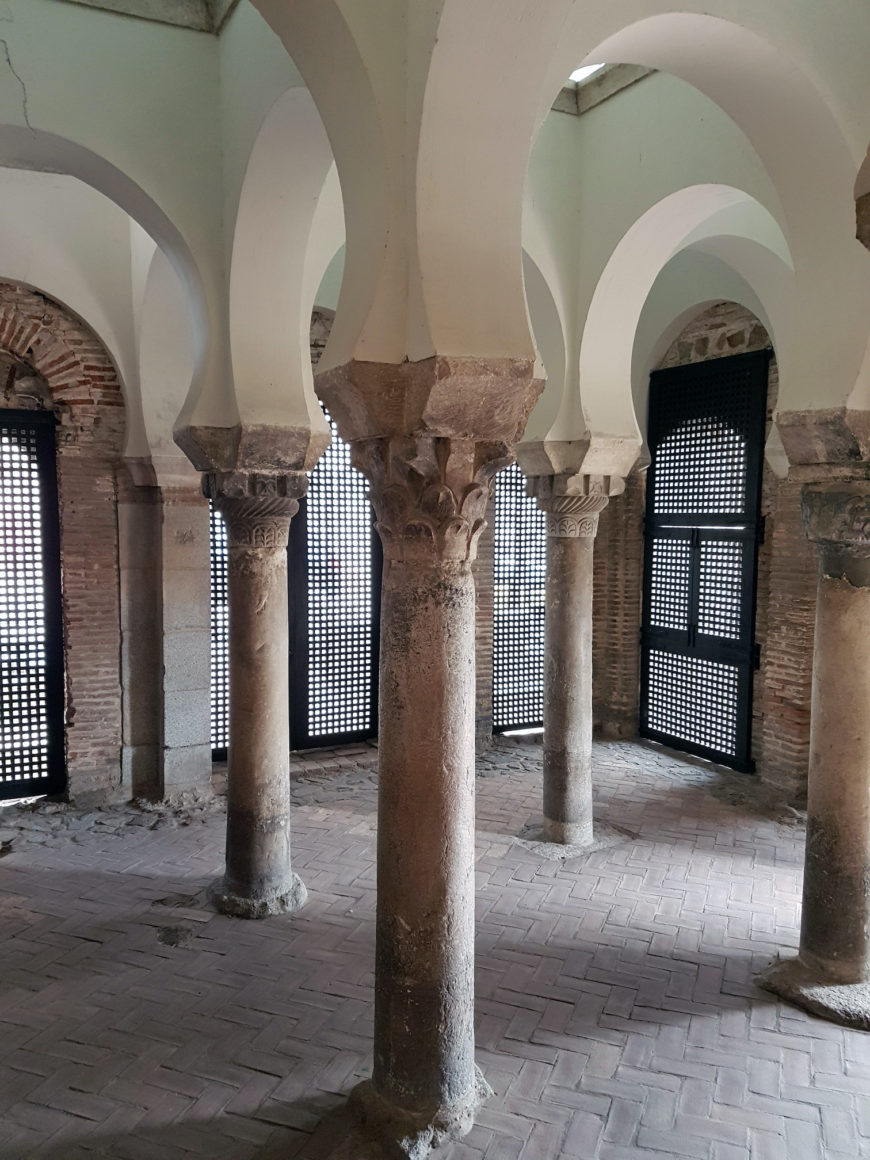
Image via website
Let’s start with the one that feels the most familiar. The circular arch follows a simple curve, creating a soft, balanced opening without any sharp corners or dramatic changes in direction. It is an uncomplicated shape, which is probably why it has remained so versatile across different architectural traditions. The form itself is much older than Islamic architecture, with rounded arches appearing in Roman buildings before being adopted and adapted by Muslim builders. Early Islamic architecture was often a meeting point between existing local traditions and new architectural ideas, rather than something that developed in complete isolation.
You can see this beautifully in buildings such as the Mosque of Bāb al-Mardūm in Toledo, where different arch shapes appear alongside one another, including semicircular, horseshoe, and lobed arches. And that is perhaps the charm of the circular arch. It does not need to make a big statement. Repeat it across a façade, and it quietly creates rhythm, symmetry, and a sense of calm.
The Pointed Arch: The One That Draws Your Eye Up
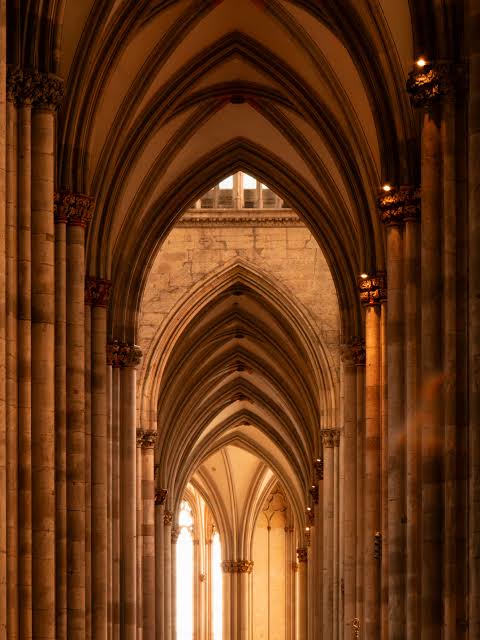
Image via website
Then comes the pointed arch. You probably know this one immediately. Instead of finishing in a smooth curve, the two sides rise towards a point, making the opening feel taller and more vertical. That small change can completely alter the mood of a space. A rounded arch feels grounded, while a pointed one naturally pulls your eye upwards, making a doorway feel more dramatic and a ceiling seem higher.
Pointed arches became an important part of Islamic architectural vocabulary and were used across different regions and periods. They later became strongly associated with Gothic architecture in Europe, but their story is much more complicated than simply belonging to one architectural tradition. Islamic buildings had already been using pointed forms centuries before they became a defining feature of European Gothic architecture.
The important thing is not who “owns” the shape, but how different cultures used and transformed it. Islamic architecture is full of examples of architectural ideas travelling, being adapted, and eventually becoming something new. And sometimes, all it takes is one little point at the top to change the entire feeling of a building.
The Trilobed Arch: Three Curves, More Personality
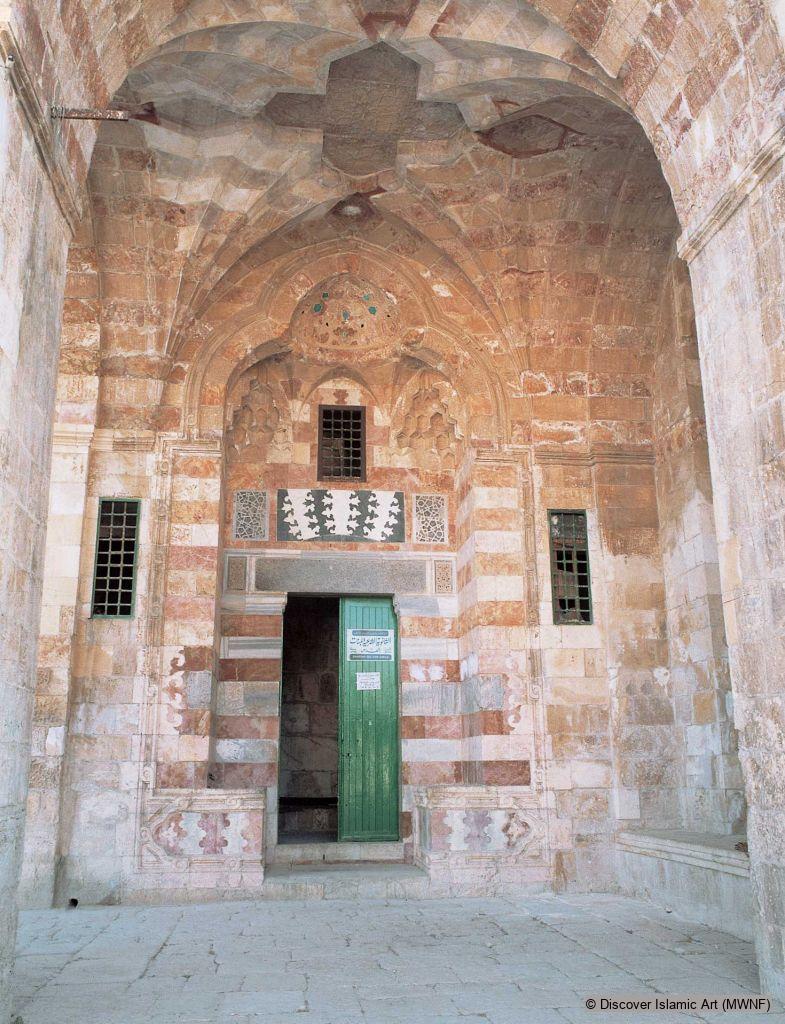
Image via website
Now, take that opening and give it three lobes. The trilobed, or trefoil, arch has three rounded or pointed curves along its upper edge. Instead of one uninterrupted outline, the eye follows a gentle rhythm of three shapes, giving the opening a more decorative character. You can find trilobed forms in Islamic architecture across different periods and regions. At the Great Mosque of Córdoba, for example, trefoil blind arches appear around the mihrab, adding another layer of ornamentation to an already highly decorated space. The mosque also demonstrates how Islamic architects combined different arch forms to create hierarchy, rhythm, and visual focus.
The form also appears in Mamluk architecture in Egypt, where trefoil arches become part of richly decorated entrances and portals. Archnet, for example, documents a trefoil arch framing the entrance to the Madrasa al-Ashrafiyya in Cairo. It is a small change, but one that gives an otherwise familiar arch a little more personality.
The Cusped Arch: When the Edge Becomes the Decoration
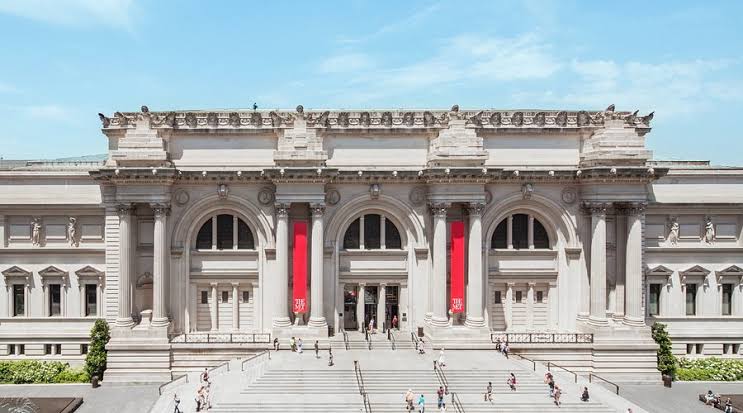
Image via website
If three curves are not enough, why stop there? The cusped arch takes the idea further, creating a series of repeated scallops or lobes along the inner edge. Instead of one clean curve, the opening has a delicate, almost lace-like outline. This is where the arch begins to become decoration in its own right. The shape can be particularly striking when repeated across a façade, where several cusped openings create a rhythm of shadows and curves.
There are beautiful examples across the Islamic West. The Metropolitan Museum of Art, for instance, has a fourteenth-century Moroccan panel decorated with an arcade of tall cusped arches, demonstrating how the form can serve as an ornamental feature as much as an architectural one. And once you see a cusped arch, it is difficult not to notice the tiny details along its edge.
The Compound Arch: Why Stop at One?
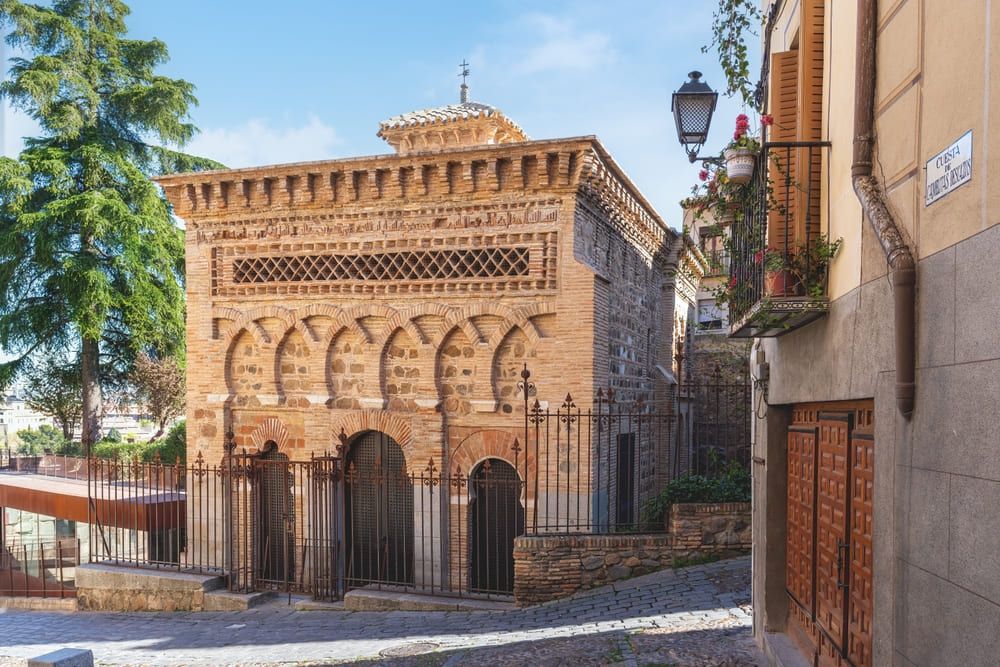
Image via website
Some entrances simply refuse to keep things simple. A compound arch brings several layers or arch profiles together around a single opening. Instead of one curve doing all the work, you get depth, framing, and sometimes an opportunity for even more ornament. This layered approach appears in many forms across Islamic architecture, where arches can be repeated, nested, or combined with decorative frames to give an entrance greater visual importance.
The Mosque of Bāb al-Mardūm in Toledo is a great example of how different arch forms can be brought together within the same façade. Its entrances include horseshoe, semicircular, and lobed arches, while other parts of the building use layers of brickwork and interlacing arches to create depth. It is a little like putting a frame around a frame. Suddenly, the entrance feels more important, and you find yourself looking at it for longer.
The Bulbous Arch: When the Curve Becomes the Character
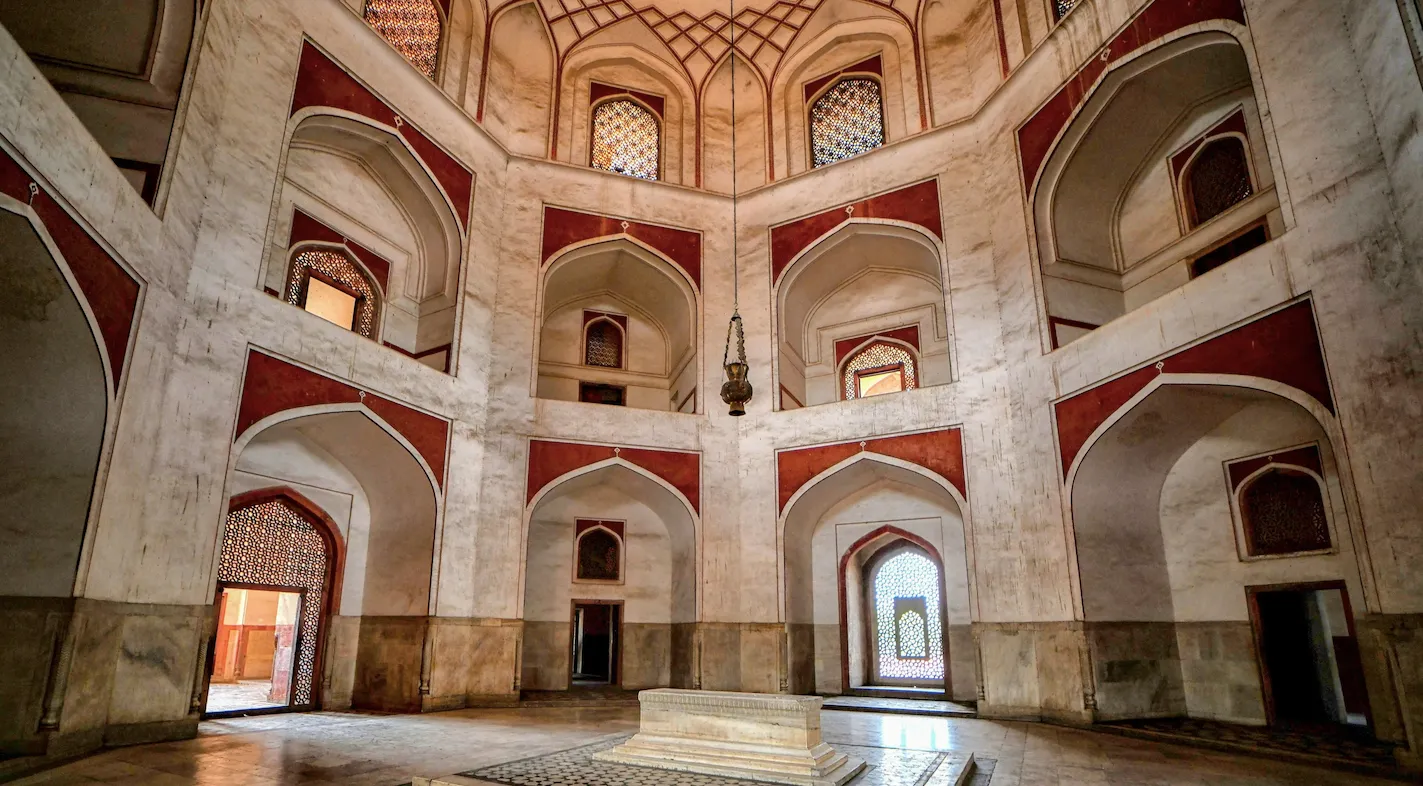
Image via website
And then there is the bulbous arch, where the sides curve inwards and outwards to create a fuller, more expressive silhouette. Compared with the calm simplicity of a circular arch, this shape feels much more distinctive. Its curves can give an opening a softer, almost organic quality, while a pointed top keeps the overall composition feeling vertical. Bulbous and ogee-like profiles became particularly familiar in Persianate, Mughal, and other Islamic architectural traditions, where curved forms were often combined with elaborate decoration.
The wider tradition of bulbous forms is especially visible in Islamic domes, where the swelling silhouette became a defining feature of later architecture in Persia, Central Asia, and South Asia. Mughal architecture, for example, developed particularly sophisticated bulbous domes, with the form becoming a familiar part of the visual language of monuments such as Humayun’s Tomb and the Taj Mahal. What makes the bulbous arch interesting is that the curve itself becomes the main character. You do not need much extra decoration to make the opening memorable.
Six Shapes, Six Different Moods
What is fascinating about arches is how little needs to change for a space to feel completely different. So, the next time you walk through an arch, take a second before you carry on. Look at its outline. Is it round, pointed, divided into three lobes, scalloped at the edges, layered with another profile, or swelling into a bulbous curve?
Once you start noticing the shape, you may find yourself looking at buildings a little differently. After all, sometimes the most interesting part of a building is hiding in the space you are simply walking through.
recommended
 City Life
Media Republic Expands into Saudi Arabia with Arsan Global Partnership
Advertising Agencies Arsan Global +7 City Life