Perseid Meteor Shower 2026: Where to Watch It in Egypt This August
Astronomy August 2026 cairo360 egypt Nature Night Sky North Coast Outdoor Activities Perseid Meteor Shower Red Sea science Shooting Stars Sinai Siwa Space Stargazing summer travel Wadi El Rayan white desert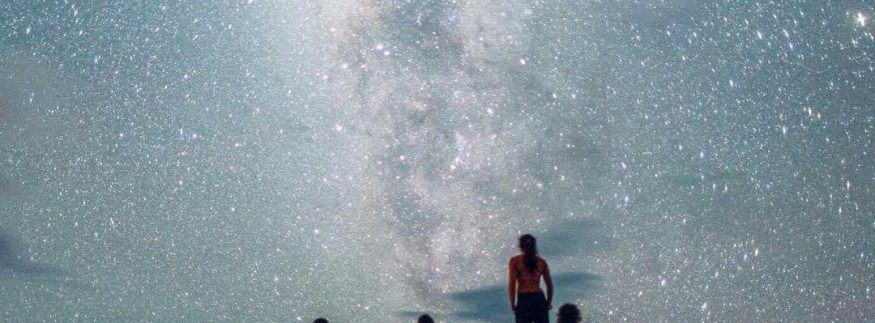
Sarah Francis
Image via website
Every August, the sky puts on a show that doesn’t need a ticket, a telescope, or a professional camera. The Perseid meteor shower returns with fast, bright streaks across the night sky, and this year, Egypt gets a strong chance to enjoy it under darker skies. The peak is expected on the night of 12 August into the early hours of 13 August. For anyone willing to leave the city lights behind, it could become one of the simplest and most beautiful summer experiences: a dark sky, a quiet place, and enough patience to let the meteors appear.
What Is the Perseid Meteor Shower?
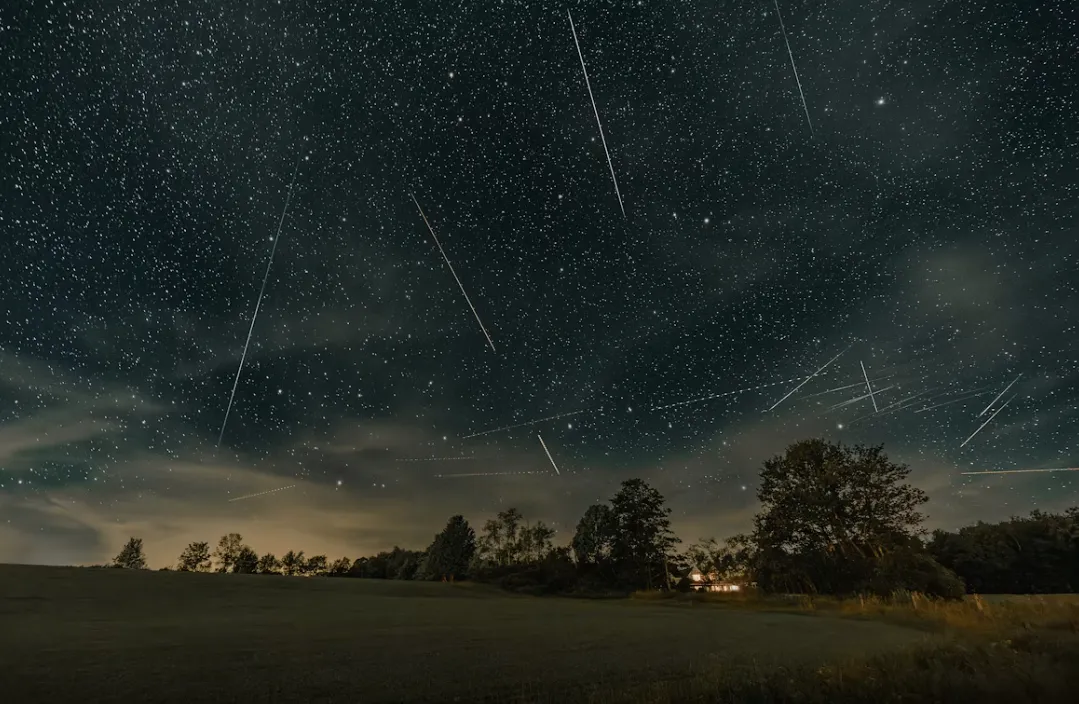
Image via website
The Perseids are an annual meteor shower that happens when Earth passes through a trail of dust and debris left behind by Comet Swift-Tuttle. When tiny particles enter Earth’s atmosphere at high speed, they burn up and appear as speedy lines of light. People often call them “shooting stars”, but they are not stars at all. They are small pieces of space debris glowing as they fall through the atmosphere.
Why 12–13 August Matters
The Perseids are active for several weeks, but the strongest activity usually comes around mid-August. This year, the peak night falls between 12 and 13 August, making it the best time to plan a viewing trip. Meteors may still appear on the nights before and after, but the peak gives viewers the highest chance of seeing more streaks across the sky.
Why 2026 Is a Great Year for Viewing
Moonlight can ruin a meteor shower by washing out the fainter streaks. In 2026, the Perseid peak comes close to the new moon, which means the sky should be darker than in years when a bright moon dominates the night. That doesn’t guarantee a perfect show, because clouds, dust, humidity, and light pollution still matter, but it gives skywatchers a much better starting point.
Best Time to Watch in Egypt
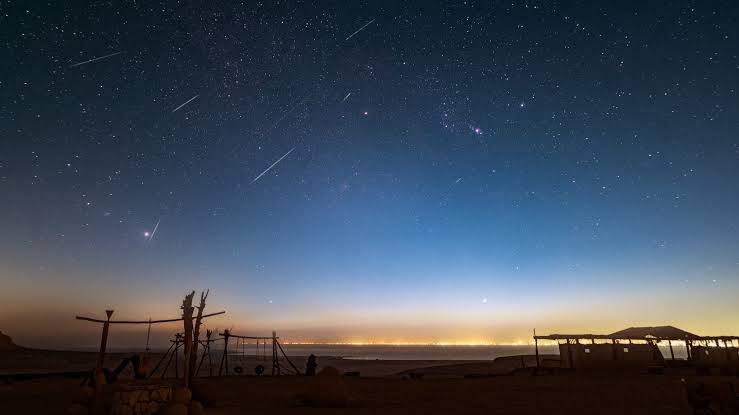
Image via website
The best viewing window is after midnight and before dawn. Early evening may feel more convenient, but the number of visible meteors usually improves later at night as the radiant point rises higher in the sky. For Egypt, a good plan is to arrive before midnight, let your eyes adjust to the darkness, and keep watching into the early morning hours of 13 August.
Where to Look in the Sky
The Perseids appear to come from the direction of the constellation Perseus, but you don’t need to stare at one exact point. Meteors can streak across different parts of the sky, so the best method is to lie back and look at a wide-open area above you. Avoid looking directly at your phone, and give your eyes at least 20 to 30 minutes to adjust to the dark.
Best Places to Watch in Egypt
The darker the location, the better the experience. Cairo and Alexandria have too much light pollution for a clear view, though a few bright meteors may still appear. Better options include desert areas outside Cairo, Fayoum, Wadi El Rayan, the White Desert, Sinai, Siwa, the Red Sea coast, and quieter parts of the North Coast away from resort lighting. The goal is simple: find a wide sky, low artificial light, and a safe place to stay for several hours.
Can You Watch from Cairo?
Yes, but don’t expect the full experience. It may be possible to catch a few of the brightest meteors from Cairo, especially from rooftops or darker outskirts, but the city won’t show the shower at its best. Streetlights, building lights, car lights, and air pollution all reduce visibility. Anyone hoping for the full experience should travel outside the city or choose a darker edge of Greater Cairo rather than staying in the middle of the urban glow.
What to Bring
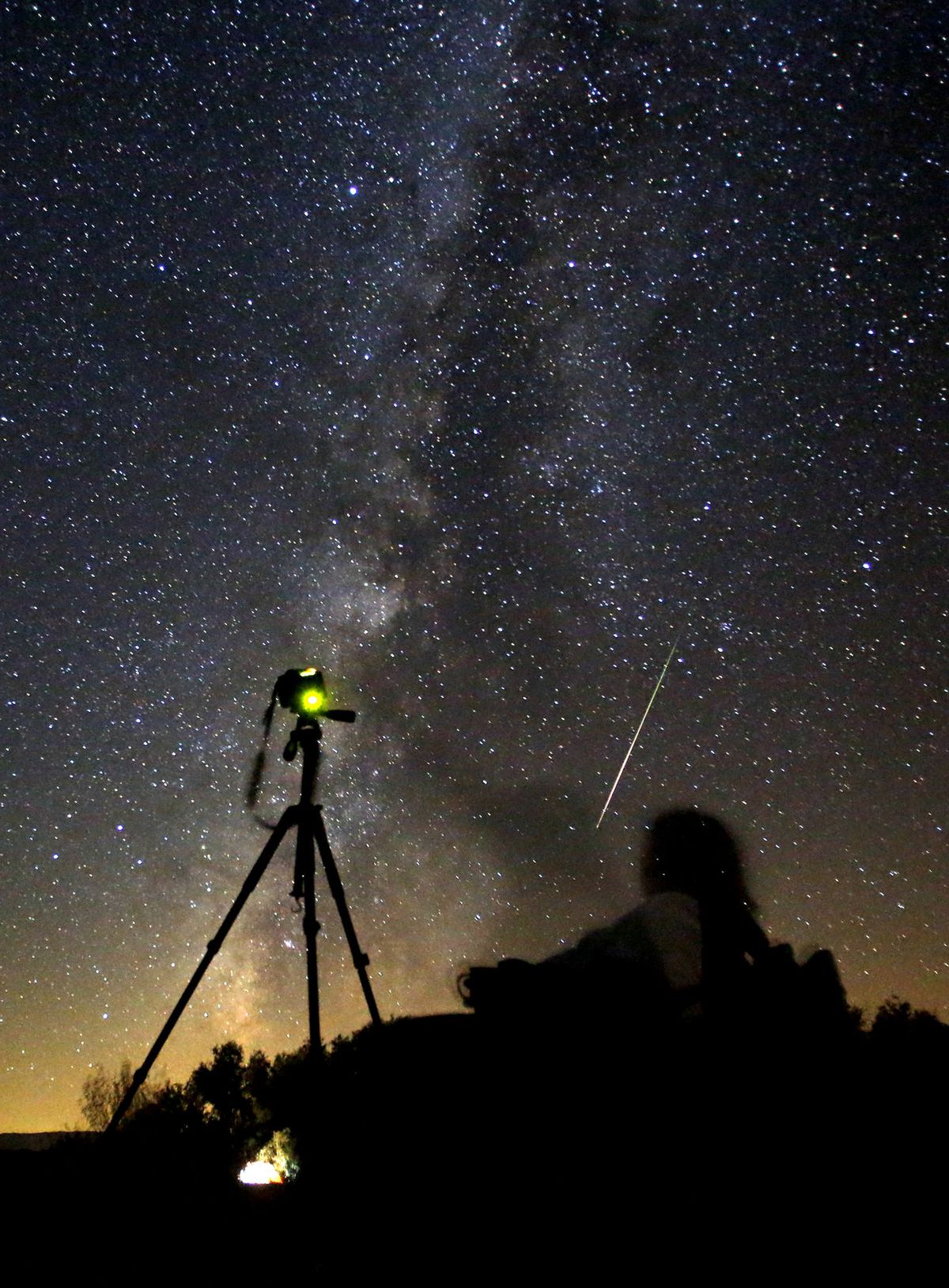
Image via website
A meteor shower is a waiting game, so comfort matters. Bring a mat, blanket, reclining chair, water, snacks, a light jacket if you’re in the desert, insect repellent, and a power bank. Use a red-light mode or dim screen if you need your phone, because bright white light makes it harder for your eyes to adjust. Binoculars and telescopes are not needed. They actually limit your field of view.
How to Photograph It
A phone may catch one or two bright meteors, but a proper camera gives better results. Use a tripod, wide-angle lens, long exposure, and manual settings if available. Keep the camera pointed at a wide, dark section of the sky rather than chasing individual meteors. For beginners, it’s better to enjoy the show first and experiment with photos second. The best memory may be the one you actually watch.
What Not to Expect
The word “shower” can be misleading. Meteors don’t fall like rain, and there may be quiet gaps between them. Some minutes may pass with nothing at all, then several bright streaks appear suddenly. Patience is part of the experience. The darker the sky and the longer you stay, the better your chances become.
Is It Safe to Watch?
Watching a meteor shower is completely safe for your eyes because it is a nighttime sky event, not a solar event. No special glasses are needed. The safety concerns are practical rather than astronomical: choose a secure location, avoid isolated areas without planning, go in a group if possible, take enough water, and make sure transport back is arranged before the night begins.
Make It a Summer Night Out
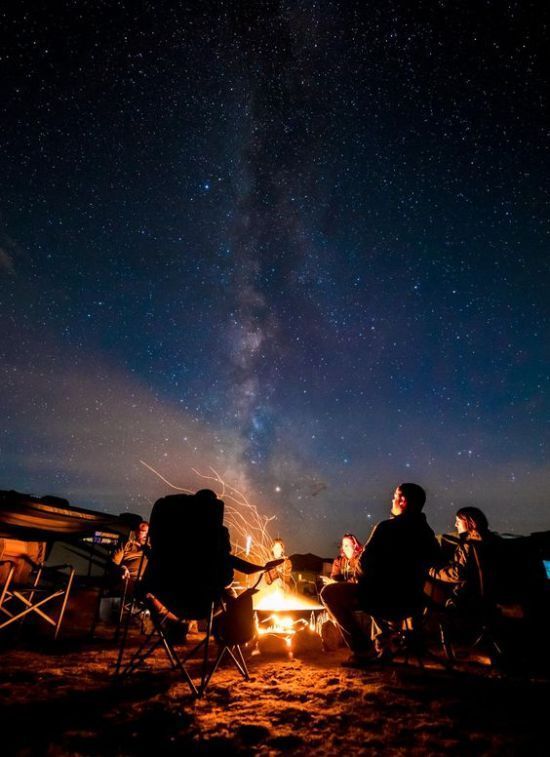
Image via website
The Perseid meteor shower can be more than a science event. It can become a different kind of summer plan: a desert picnic, a quiet rooftop gathering outside the city, a camping night, or a beach trip with everyone putting their phones away for a while. The best setup is simple: low light, good company, and enough silence to notice the sky.
Before You Go
Check the weather, cloud cover, dust conditions, and moon information before leaving. A clear, dark sky matters more than the exact location. Avoid bright resorts, city centres, and crowded areas with heavy lighting. Give yourself enough time for your eyes to adjust, and don’t leave after ten minutes if nothing happens.
On the night of 12–13 August, Egypt will have the chance to witness one of the year’s most beloved meteor showers. The show won’t happen on demand, but that’s part of its charm. Look up, wait, and let the sky do the rest.
recommended
 City Life
Media Republic Expands into Saudi Arabia with Arsan Global Partnership
Advertising Agencies Arsan Global +7 City Life